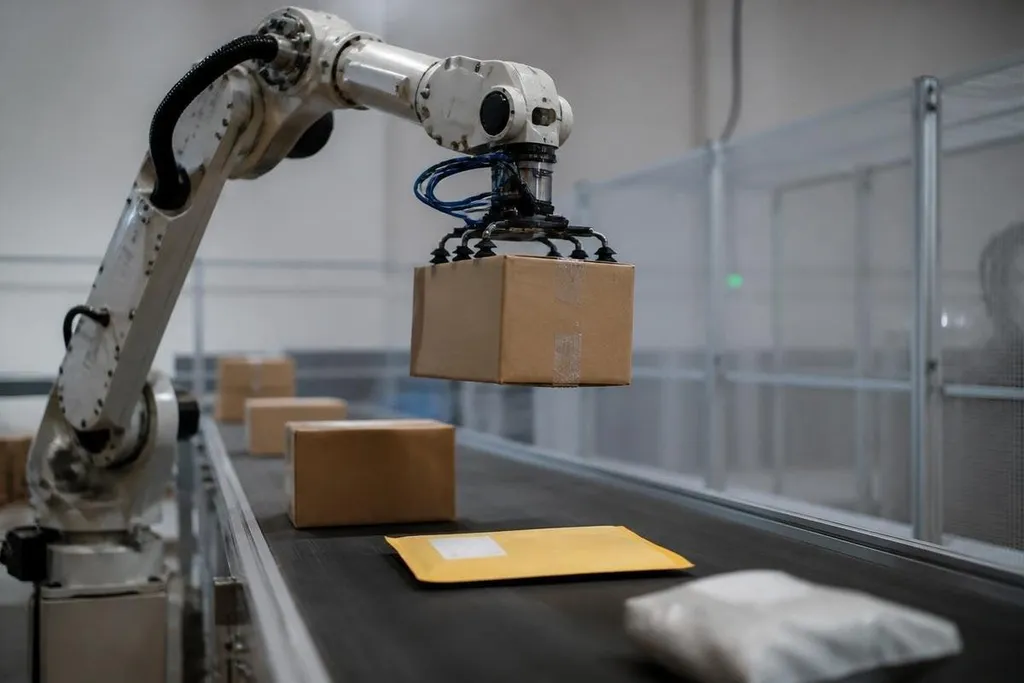
A robot can make the same wrong choice thousands of times if its training data teaches the wrong pattern. That matters when the robot sorts packages, checks people for safety risks, or decides which object to pick first.
This article explains where bias enters a robotic system, how it changes physical actions, and what an engineering team can check before deployment.
Quick read
- A camera may read skin tones, clothing, lighting, or body shapes unevenly.
- A biased model can turn a small data gap into repeated stops, misses, or false alarms.
- Testing must include the people, objects, lighting, and floor layouts the robot will meet.
Where bias enters the robot
Bias can start in the data used to train a model. If a vision system sees far more images of one type of worker, package, room, or floor surface, it may work better on those examples than on others.
The problem can also sit in the labels. A person marks images as “safe,” “blocked,” or “ready to pick.” Those labels may reflect unclear rules or rushed choices. The model then learns those choices as if they were facts.
Hardware adds another source. A camera records color and light through its own sensor. LiDAR measures distance with laser pulses. A microphone records sound. Each sensor can miss information in certain conditions, and the software may treat that missing signal as a clear answer.
A warehouse robot gives a plain example. If its vision data shows clean floors and open aisles, the robot may rank a dark cable or a low box as a harmless shadow. Its motion planner then chooses a path that needs a second check from a human.
How a biased prediction becomes a physical action
A model rarely acts alone. Its output feeds another part of the robot, such as a gripper controller, route planner, or safety monitor. That link turns a data problem into movement.
Suppose a picking robot assigns a low confidence score to a package with a reflective wrapper. The system may skip the item, grip it with less force, or stop and ask for help. One mistake costs little. Repeated misses can change the order of work and leave some items waiting longer.
The same pattern can affect mobile robots. A navigation model trained mostly on wide, empty aisles may handle a narrow passage poorly. It might slow down, choose a longer route, or stop near a shelf because its sensors see a case it did not meet during training.
People can face a more serious problem when a robot uses vision to detect a fall, a person without protective equipment, or an unsafe position near a machine. A false alarm can interrupt work. A missed event can leave a person without the response the system was meant to trigger.
Bias claims need more than a model name. They need the sensor data, people tested, error rates, and human review behind a decision. Robot24.com reporting on robot decisions can tie those details to a named system before the next section sets out a useful test.
What a useful test looks like
A single accuracy score hides the cases that matter. The team needs separate results for the conditions that can change a robot’s choice.
That means testing more than a clean demo area.
Change the light, camera angle, floor color, package finish, background noise, and distance from the object. For people-facing systems, include the range of people the robot will meet, with consent and proper data controls.
The team should also record what happens after a model makes a low-confidence prediction. Does the robot stop? Does it ask for a human check? Does it continue at a lower speed? The fallback rule may matter more than the first prediction.
A good test record names the model version, sensor setup, task, error type, and result. That record lets engineers compare a new software build with the old one instead of relying on a demo that worked once.
A deployment checklist
Before putting an AI-based decision system near people or paid work, check these points:
- Data coverage: list the objects, people, lighting, sounds, and layouts missing from training data.
- Error groups: separate false alarms, missed detections, wrong classifications, and unsafe paths.
- Confidence rules: define the score that causes a stop, slower motion, or human review.
- Human control: place an accessible stop button and set a clear handoff process.
- Version records: log the model, sensor settings, software build, and test result for each release.
- Review dates: repeat tests after a camera change, a new task, or a shift to a different site.
I'd delay deployment if the team can report average accuracy but can't show which cases cause the robot to stop or continue.
The practical goal is a robot that knows when its answer is weak. Until testing shows how often that happens in the real work area, the decision system remains unfinished.